
Maria Kahn on Women’s Reproductive Justice
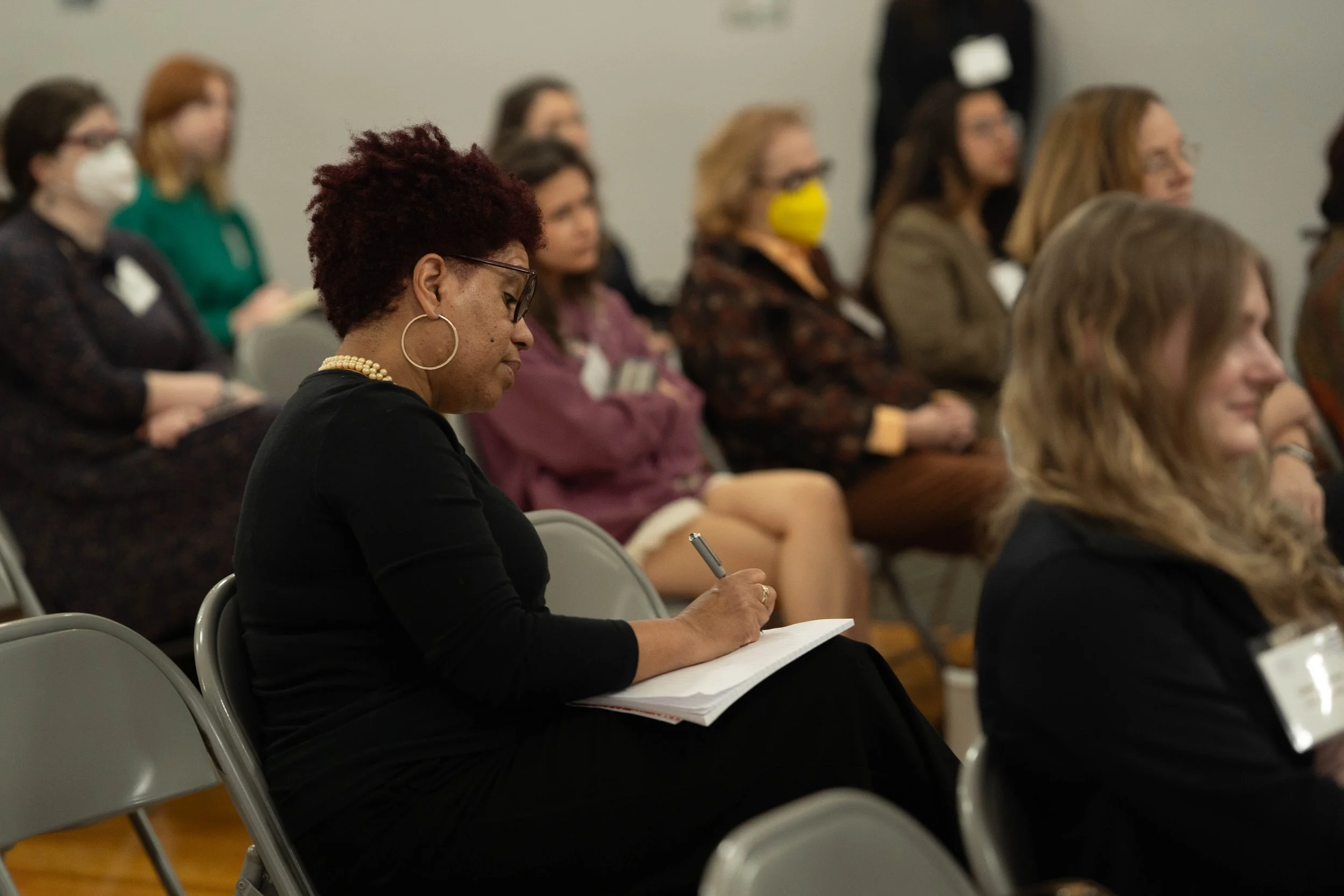
Dr. Judith Singleton at Chicago Women’s History Conference, Photo credit Essence Richardson
Blood is Thicker than Water: Pregnancy, Family and Family Estrangement
This session presented two studies on women’s reproductive health, as well as the problems with the research in the area. The presenter was Dr. Judith Singleton, Professor of Sociology at Dominican University and her presentation was called Blood is Thicker than Water: Pregnancy, Family and Family Estrangement and this blog discusses a second presenter who wishes to remain anonymous. These presentations happened at Chicago Women’s History Conference on Saturday March 21, 2026.
Dr. Singleton presented her research on the impact of familial and household relationships and dynamics on pregnancy and childbirth. She focused on the role of race and the disproportionate impact on African American communities. As a lawyer with no background in psychology, I was able to follow her research comfortably as she supported her findings with real-life stories of people she interviewed. Dr. Singleton highlighted the importance of such research today, when family identity is more politicized than ever; the concept of family estrangement is manipulated against racial minorities. She recognized that the concept of family is a social construct, but she argued that it is also a social, economic, legal, and political institution that should be studied as such. Her work dismantles the misconception that racial minorities lack familial bonds by statistics supporting her findings. At the same time, she identified institutional attempts to weaken the institution of families, for instance, through the weaponization of immigration policies, changes and cuts to government-sponsored benefits, and the introduction of ill-informed health policies. Similarly, she presented evidence from her Chicago-based research that limited access to education creates systemic barriers to prenatal healthcare. She found that African-American women are disproportionately more likely to suffer from hypertensive disorders during pregnancy as a result of familial estrangement and lack of access to healthcare. Dr. Singleton contrasted these findings with the birthrate in the U.S. being the lowest it's ever been, and the current administration’s discussion of policies to incentivize women to give birth; however, such policies are aimed at enhancing the birthrate of the white population only.
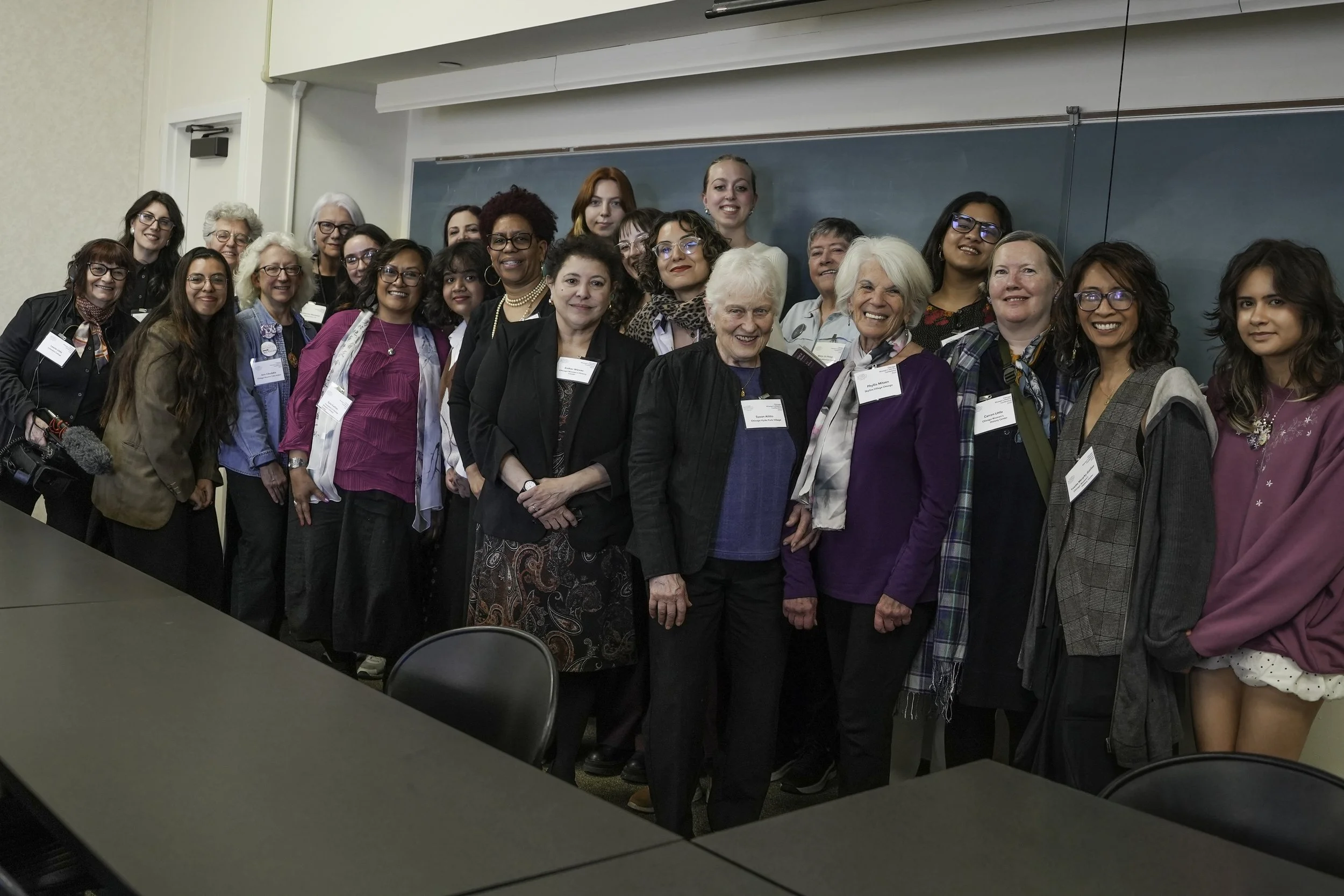
Dr. Judith Singleton presenting at Chicago Women’s History Conference 2026
Photo credit Diana Solis
The second presenter on Women’s Reproductive Justice traced the history and progress of research on reproductive health and identified key areas and events that expose the academia’s misplaced prioritization when it comes to women’s bodies. Their research is guided by their experience growing up in Pakistan, where it is not uncommon for facilities for safe pregnancies to be lacking. They discussed the extent of research on women’s hormones following experiments conducted on male rats, and that it was only in 1993 that women were allowed to partake in studies regarding their own bodies. The presenter paid homage to Frances Oldham Kelsey, a Canadian-American pharmacologist and physician who managed to stop the use of thalidomide in pregnant women after questioning its safety. However, the presenter highlighted other incidents in the area of reproductive health research, that show a continued trend of neglect of the treatment of pregnant women. This includes the prescription of diethylstilbestrol to pregnant women to avoid miscarriages without any research or confirmation of its safety. It was later discovered that it caused serious health problems not only for the pregnant women but also risks of vaginal cancer and fertility issues in their daughters. The skewed priorities in the area of reproductive health can be illustrated through an example as recent as 2013, when research on rectovaginal endometriosis was conducted solely to study the physical “attractiveness” of women with the condition.
The discussion concluded with a question-and-answer session with a deeply engaged audience concerned about current American policies policing women’s bodies and separating families. The room discussed the importance of educating about such policies, their impact on different communities, and the need to collectively organize.
By Maria Kahn, Scholarship Attendee, May 8, 2026
Note: The second presenter requested anonymity and therefore their name has been removed.